


Interview de notre CEO
Publié le 23 avril 2024 / yannick guerdat, interview, informatique
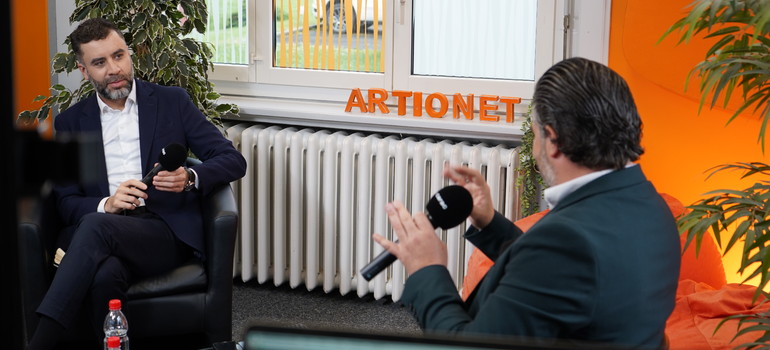 Interview de Yannick Guerdat
Nous sommes ravis de partager avec vous l'interview exclusive de notre CEO, Yannick Guerdat, accordée à carac.tv. Cette entrevue a été réalisée dans nos locaux pour l'émission " Entre nous ", offrant ainsi un aperçu unique et approfondi de la vision ...
Interview de Yannick Guerdat
Nous sommes ravis de partager avec vous l'interview exclusive de notre CEO, Yannick Guerdat, accordée à carac.tv. Cette entrevue a été réalisée dans nos locaux pour l'émission " Entre nous ", offrant ainsi un aperçu unique et approfondi de la vision ...
Changements 2024 concernant l'authentifications des domaines d'envoi des e-mails
 Nous tenons à vous informer de changements importants qui concernent l'authentification des domaines d'envoi des e-mails, et qui prendront effet dès le 14 février 2024 et qui touchent notamment les adresses e-mails de vos destinataires chez Google et Yahoo.
Une overdose de voeux pour 2024
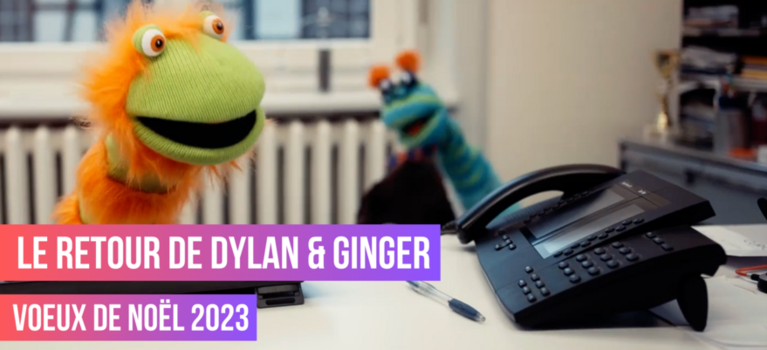 Attendez-vous à quelque chose de plus piquant que du houx cette année ! La suite tant attendue de notre vidéo de Noël est de retour, et ça va secouer les boules de neige de vos chaussettes !
Dylan la chaussette - Voeux de Noël 2022
 Chers clients,
Chers partenaires
Chers amis,
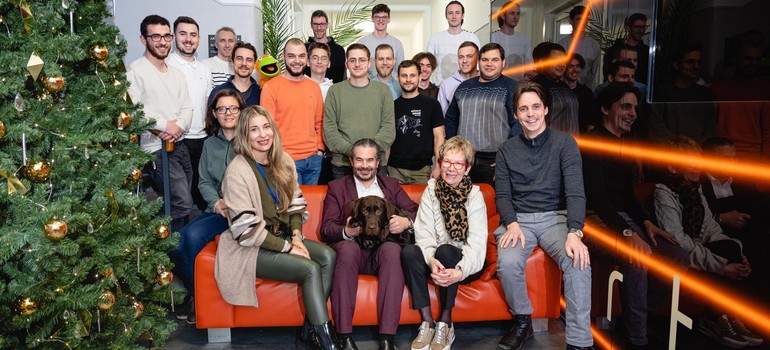
Cette année s'achèvera prochainement avec les fêtes en ligne de mire. Toute l'équipe d'Artionet.Group souhaite vous remercier pour votre fidélité, notre belle collaboration et notre succès partagé.
Nous vous souhaitons à vous, à votre ...
Chers clients,
Chers partenaires
Chers amis,
Cette année s'achèvera prochainement avec les fêtes en ligne de mire. Toute l'équipe d'Artionet.Group souhaite vous remercier pour votre fidélité, notre belle collaboration et notre succès partagé.
Nous vous souhaitons à vous, à votre ...
Covid-19 : Dispositifs mis en place
Publié le 16 mars 2020
Les tendances newsletters en 2020
Publié le 10 janvier 2020 / contenu, marketing, webagency, actualités, Webmarketing, newsletter
 Contenu généré par l’utilisateur, accessibilité et enquêtes ! Voilà les grandes tendances newsletter en 2020...
Vladimir Lysenko renforce l'équipe Artionet !
Publié le 10 décembre 2019 / artionet, actualités, équipe
 TEXTE
Depuis quelques semaine déjà, Vladimir Lysenko a rejoint les équipes d'Artionet et renforce les équipes de développement. Originaire de Russie, Vladimir a appris de manière autodidacte le développement web et se perfectionne de manière continue.
TEXTE
Depuis quelques semaine déjà, Vladimir Lysenko a rejoint les équipes d'Artionet et renforce les équipes de développement. Originaire de Russie, Vladimir a appris de manière autodidacte le développement web et se perfectionne de manière continue.
eSéances finaliste du Meilleur du Web 2019
Publié le 06 décembre 2019
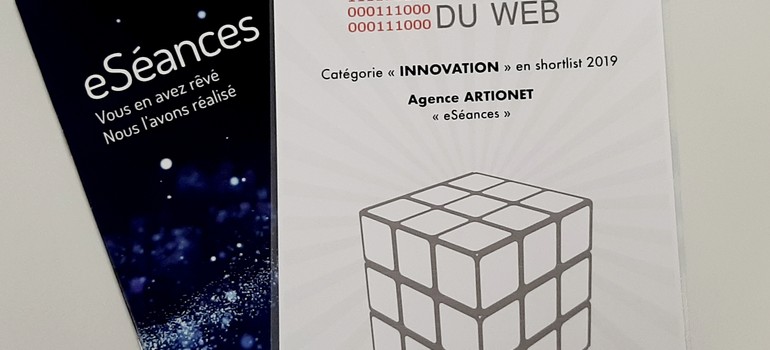 Mercredi 27 novembre 2019 a eu lieu la 9ième édition du « Meilleur du Web » au Musée Olympique de Lausanne. Plus de 200 experts de l’industrie numérique romande s’y sont retrouvés afin de découvrir les meilleurs projets réalisés par des agences en Suisse Romande.
Succès pour la dernière édition du BIMO Forum 2019
Publié le 21 novembre 2019
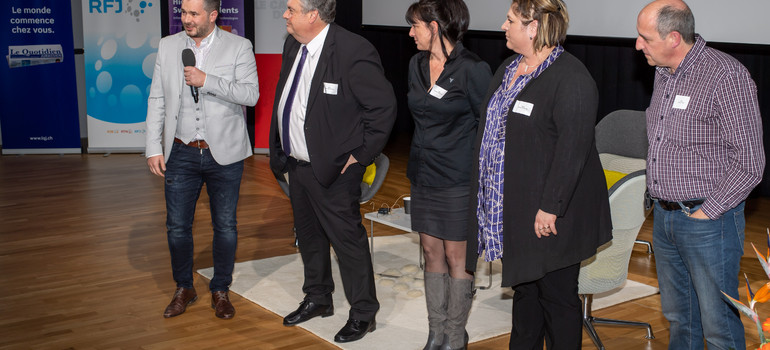 Mardi dernier, le BIMO Forum 2019 ayant lieu au Campus Strate J a vécu sa 30ème et dernière édition. Placée sous le thème novateur de l'impression 4D et des matériaux intelligents, le forum a réuni plus de 130 participants.
Le Black Friday c'est dans quelques semaines déjà !
Publié le 28 octobre 2019 / E-Commerce, black friday, eshop, Noël
 Le Black Friday c’est dans quelques semaines déjà ! Dans cet article, nous répondons aux questions les plus fréquentes sur cet événement : son origine, la date, comment s'y préparer et quels retours en attendre.
